Reports and photographs from recent Society visits
Our visits are mostly private, arranged specially for Members. Here is a taste of what recent visits have been like – see the upcoming visits page for what is coming next.
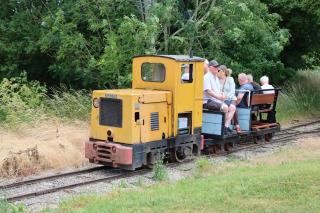
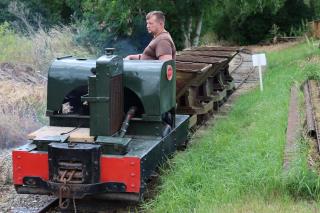
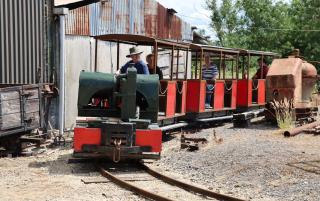
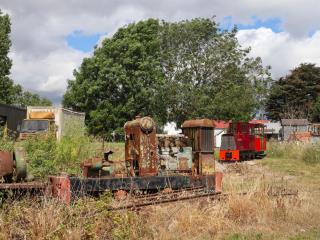
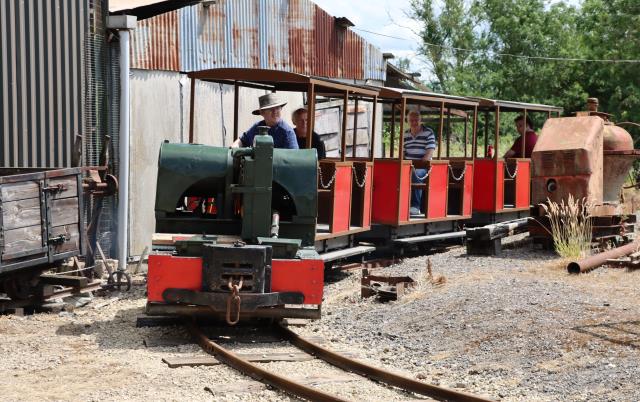
On the next day, Sunday 28th June, a party of 20 members enjoyed a visit to the North Ings Farm Museum, near Sleaford in Lincolnshire. On arrival, host Malcolm Phillips welcomed the group, and gave us some history.
North Ings Farm has had several incarnations over the years, with both arable and animal farming. In the 1960s the main farm site was converted for egg production, and until the 1971 /2 winter, relied entirely on dumper trucks for transport within the farm. That winter was extremely wet and following much discussion a light railway was installed.
The first feed train ran in November 1972, serving 5 of the sheds on the site. It was later extended to cover all 19 sheds. Sadly, March 1981 saw the last flock of chickens depart. Feed costs had risen to the point where income from egg sales failed to cover them.
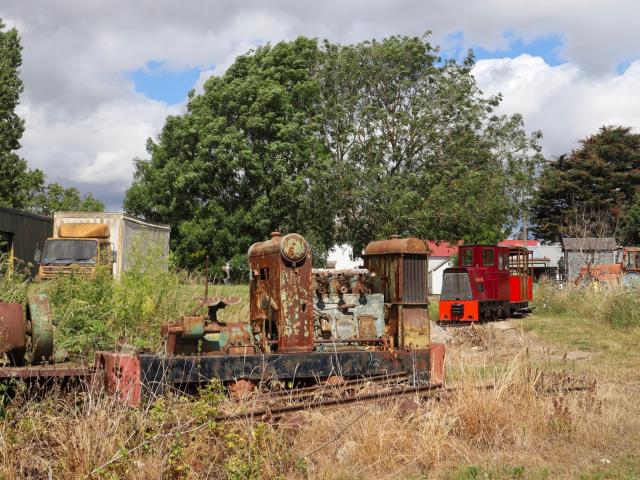
Since then, the railway has been treated as a hobby, and additional locomotives acquired. The line has also been extended to form a circuit from the main buildings to the lake. In 1990, at the suggestion of the local council, the collection was opened to the public. The collection has continued to grow and now also includes vintage tractors, barn engines and farm machinery.
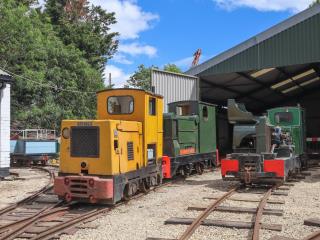
The railway consists of a 600 yard circuit around the museum grounds. They currently have a steam tram and eight industrial diesel locomotives, together with a further two on loan from the Narrow Gauge Railway Museum in Tywyn, Wales.
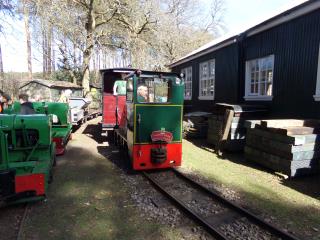
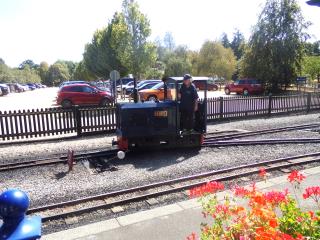
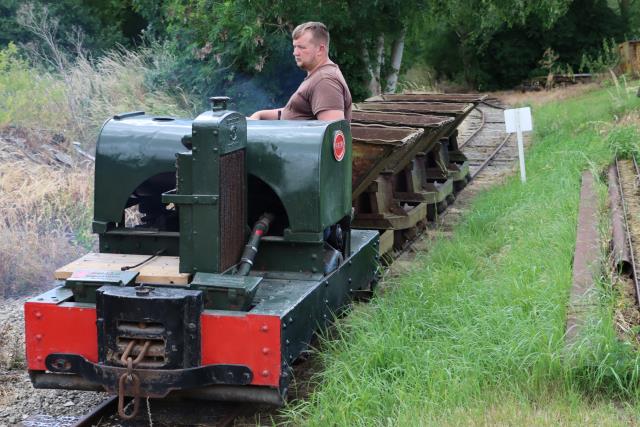
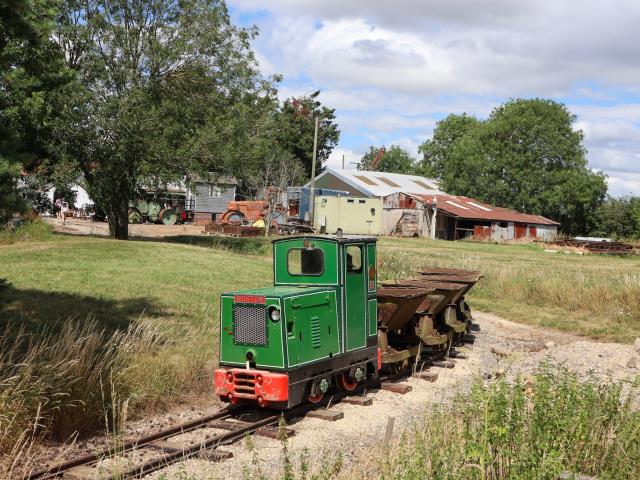
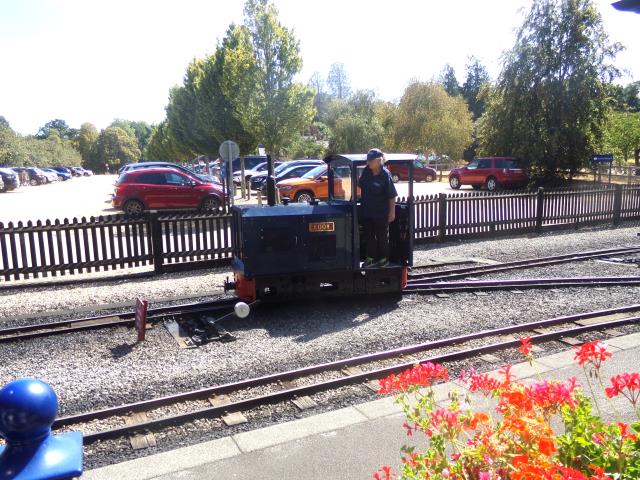
During the course of the visit, as many locomotives as are operational were put to use – some on passenger trains, and other on demonstration freight trains. Locos in use included:
BULLFINCH (HE 7120)
PENELOPE (MR 8826)
INDIAN RUNNER (RH 200744)
RH 421433
RH 371937
Thanks to Malcolm, and to the volunteers (some of whom have been with the railway since its inception) for their hospitality. If any members who missed this visit are interested in paying a visit, they open to the public on the first Sunday of the month (April to October).
On a very warm Saturday 27th June, around 25 members made the journey to Lincolnshire, to visit the 3 foot gauge Crowle Peatland Railway, near Scunthorpe.
The party were welcomed by Angus Townley, the railway’s Treasurer (and our host for the day). Angus told us about the history of peat extraction on the Crowle and Thorne Moors, the various owners over the years, and how the railway progressed from horse to locomotive haulage.
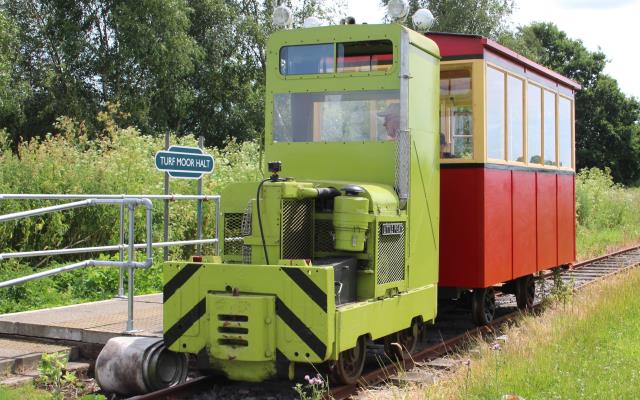
Now preserved, the railway runs for about 400 metres from the workshop at Bank Top, out to a terminus at Turf Moor. There are hopes of being able to extend further, but but intending to lay a railway across a Site of Scientific Interest brings its own problems!
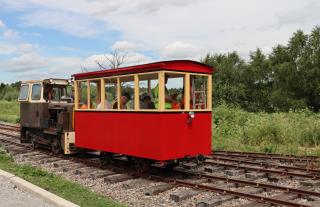
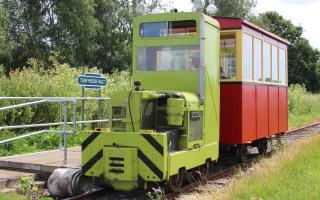
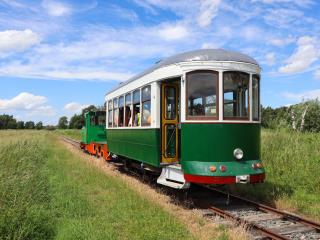
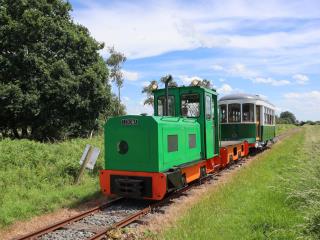
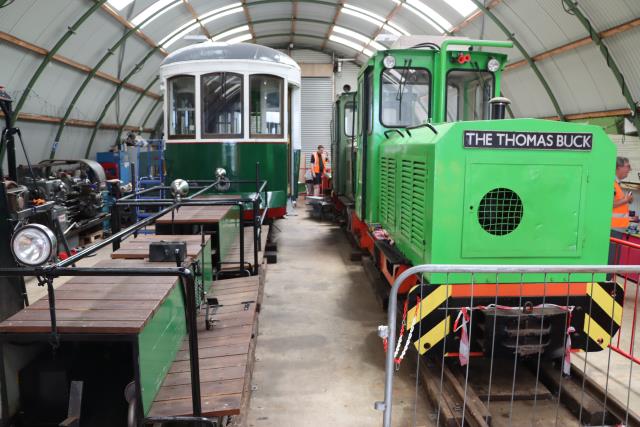
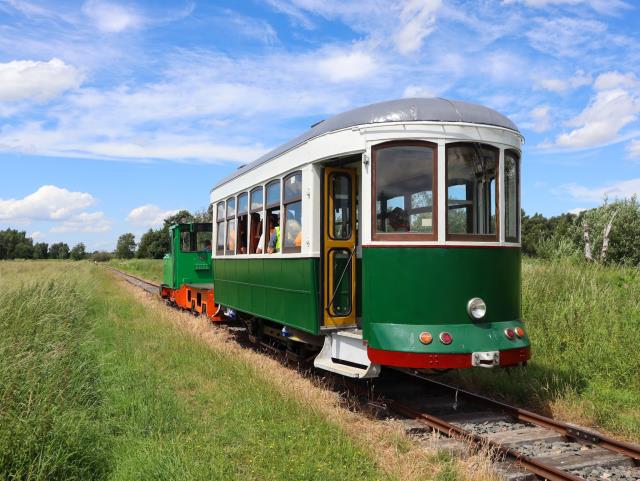
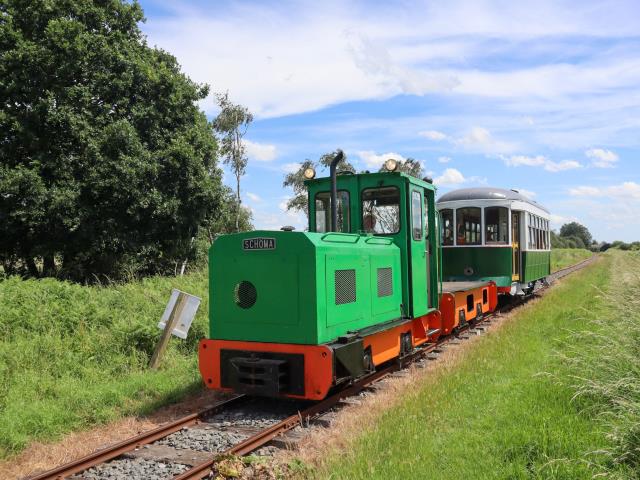
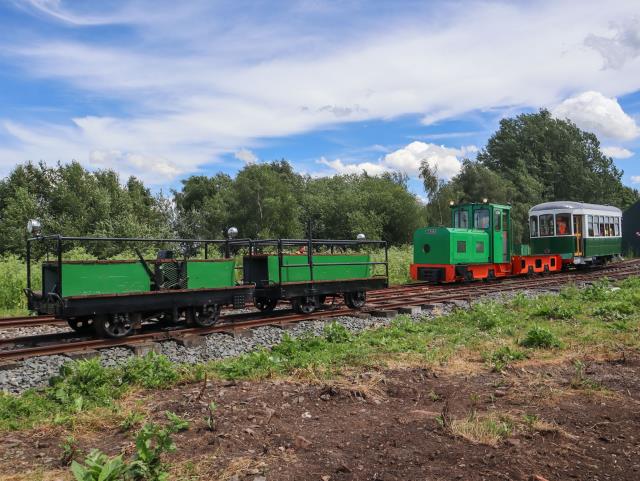
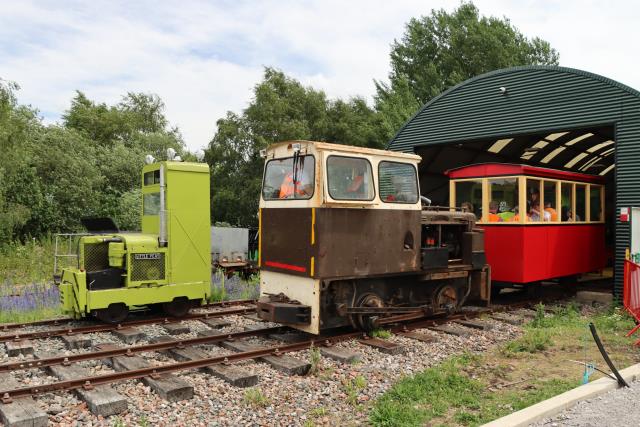
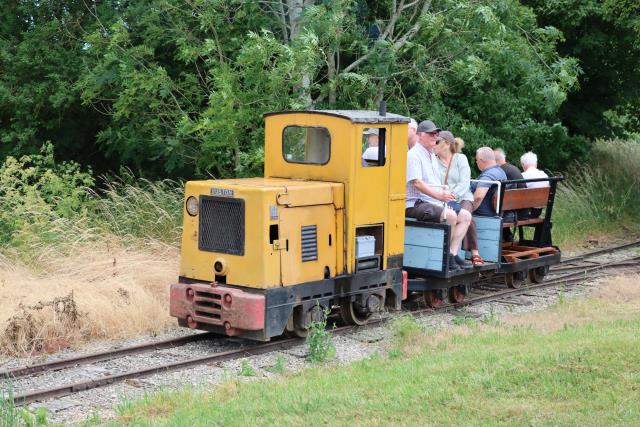
Of historic interest, the railway owns 3 pairs of “Master and Slave” Schoma locomotives, which used to work on the moor. One of these is operational, and was used for one of our rides, hauling former Lisbon tram – number 711 – which had previously resided at a site in Walton-on-the-Naze in Essex. (The tram is normally only used for Hallow’een and Santa Specials, so we should consider ourselves privileged to have had a ride on this particular vehicle).
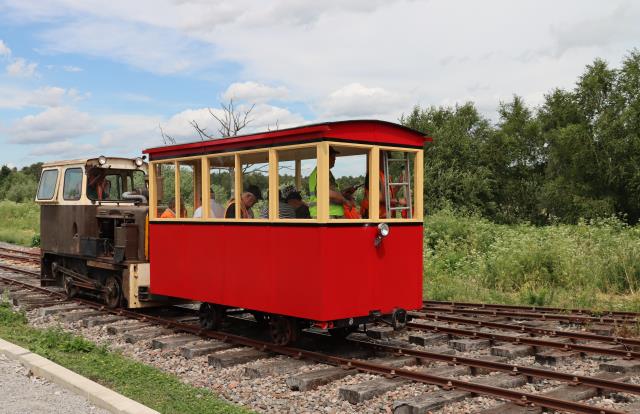
The party also had rides behind the railway’s Simplex locomotive (40S302), which was restored at a local college a few years ago; the pair of Wickham trolleys (4091 plus an unpowered trailer – built for the Lochaber Railway at Fort William – also gave us an unusual ride.
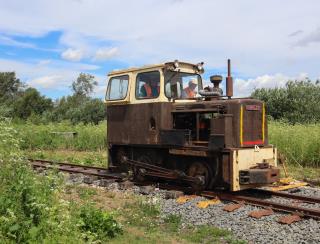
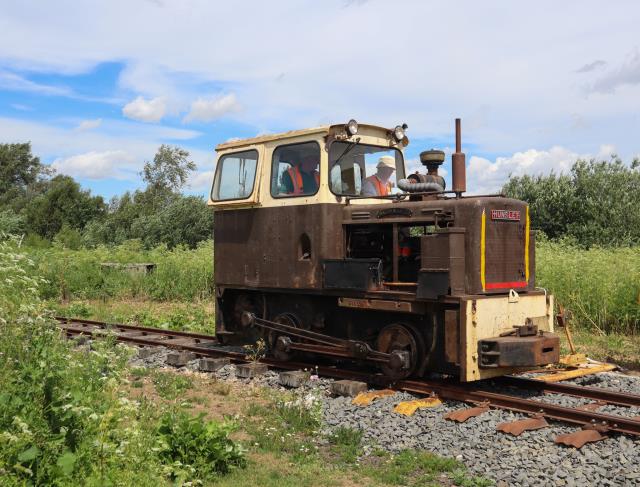
Most appropriately for the surroundings, the railway has obtained a Hunslet Wagonmaster (number LM 336) from the Bord na Mona in Ireland. (I was pleased to help one of the railway’s volunteers a few years ago, by providing some photos of this locomotive at Boora in County Offaly).
Our thanks to Angus and the rest of the volunteers at Crowle for hosting our visit.
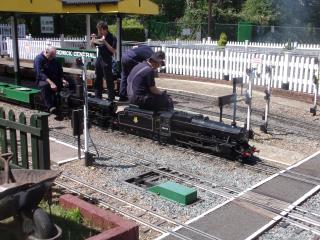
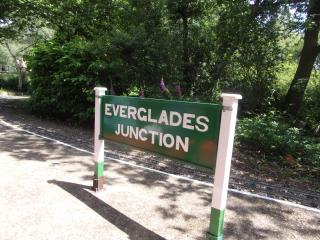
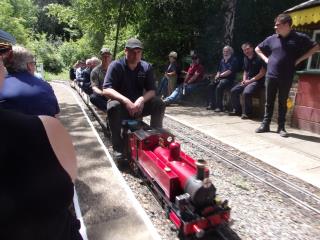
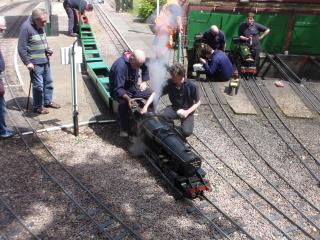
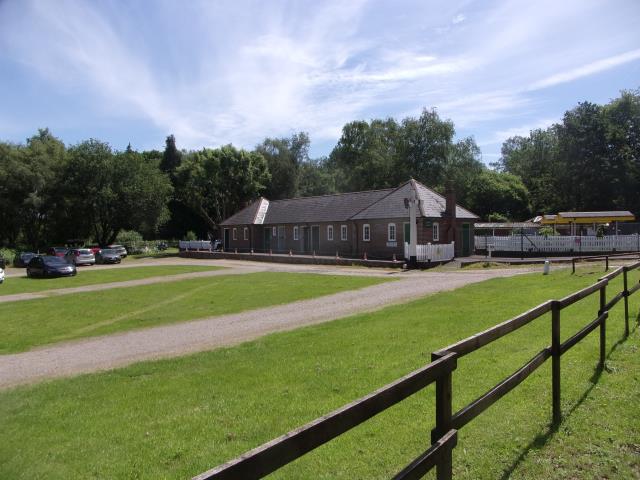
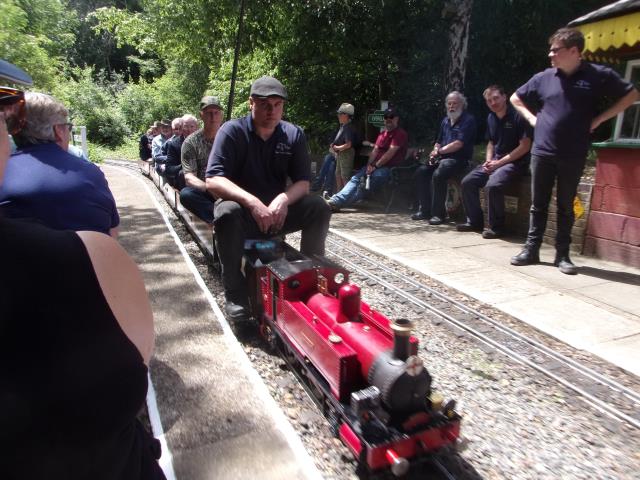
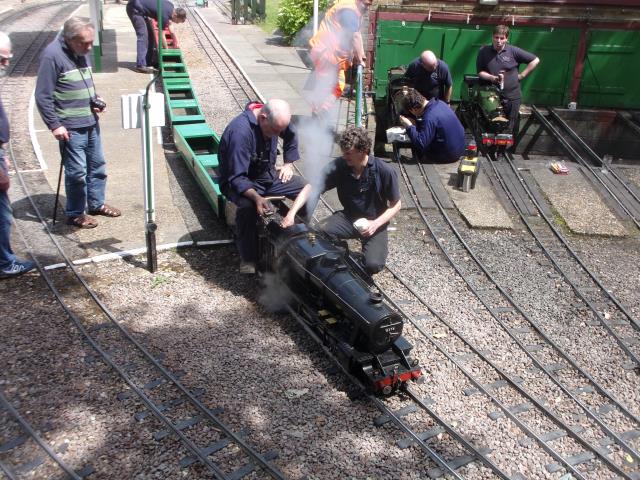
On Sunday 14th June, 16 NGRS members took part in a visit to the 7¼ inch gauge Great Cockrow Railway, near to Chertsey in Surrey.
On arrival, we were given a potted history of the railway, from its origins as the “Greywood Central Railway” at Walton-on-Thames, through the involvement of publisher Ian Allan, to the eventual relocation to the current site near to Chertsey. The railway hosts something in the region of 45 steam locomotives, along with an increasing number of diesels.
Our visit took place before the railway opened to the public, and we were able to have guided tours of the signal boxes and workshops, prior to our train ride. The signalling is all built to mainline standards, with some of the volunteers having current or ex-mainline signalling experience.
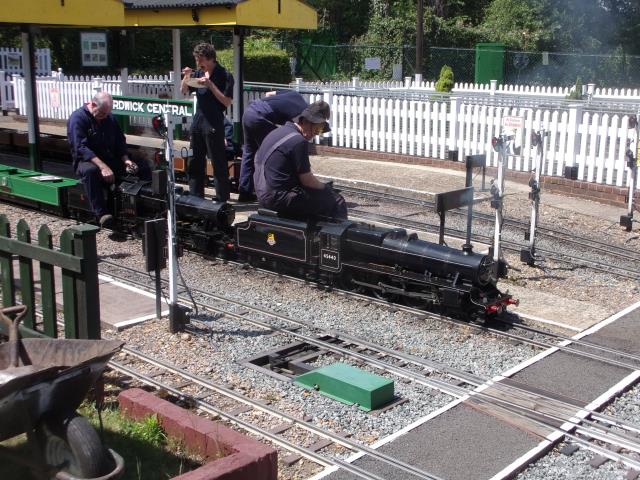
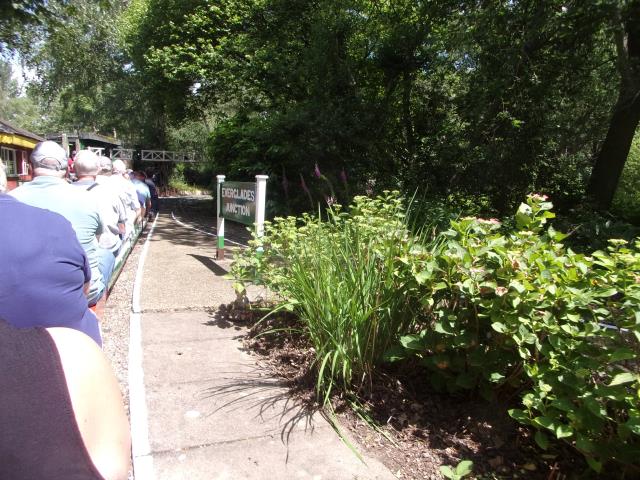
Two special trains were run, to cater for the size of the party, prior to the railway opening to the public. One was hauled by “WHARFEDALE”, an 0-6-0 tank engine; the other was double-headed by 45440 (a 4-6-0 “Black Five”) and 8374 (a 2-8-0 8F loco). Both trains gave participants a full tour around the entire network, a ride of around 1¾ miles.
Although our “deal” only covered the “private” ride prior to public opening, the party were also given an “extra” ride after public opening. Whilst it was quiet initially, by the time that most of the party were leaving, the railway was starting to get busy, with queues building up.
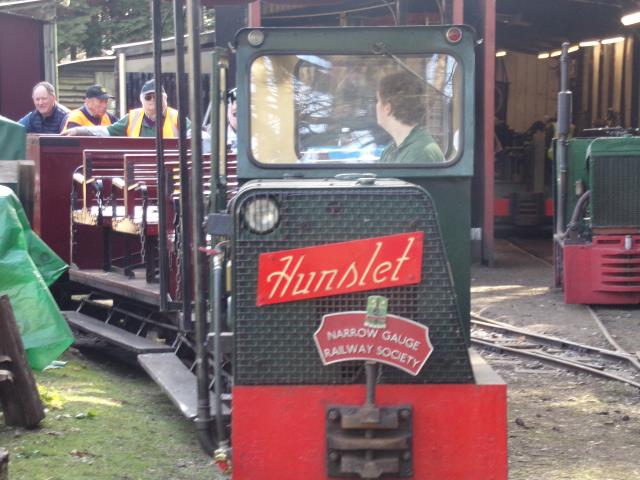
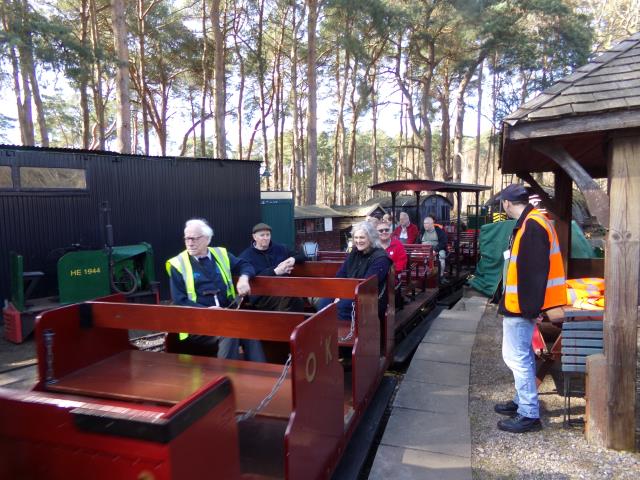
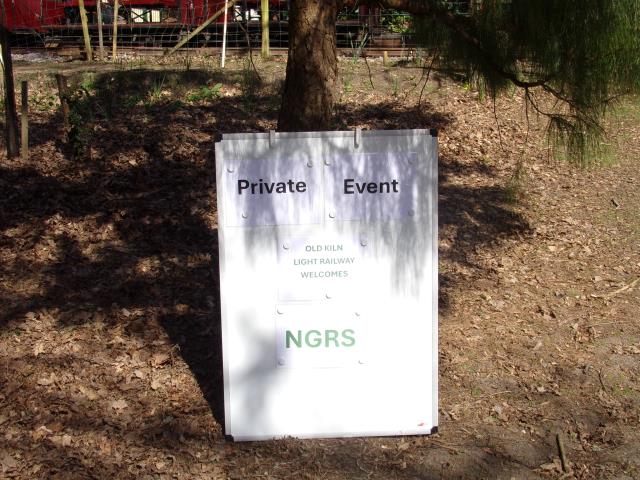
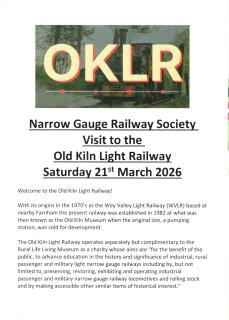
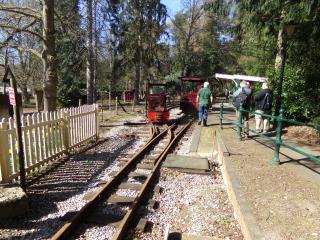
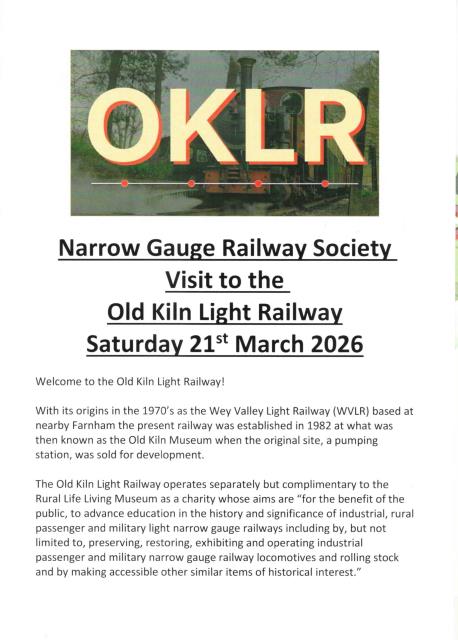
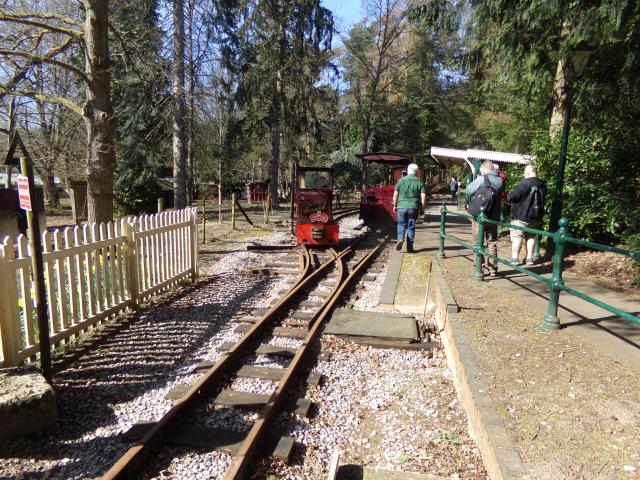
The year's visit programme started off at the Old Kilns Light Railway, near Farnham in Surrey, on Saturday 21st March, with 31 members in attendance. On arrival, we were met by NGRS member Tim Long, who is a volunteer at Old Kilns, along with his very enthusiastic son Alex. Members of the party were each given a handout, especially produced for the visit, telling us a little about the railway and its fleet of locomotives.
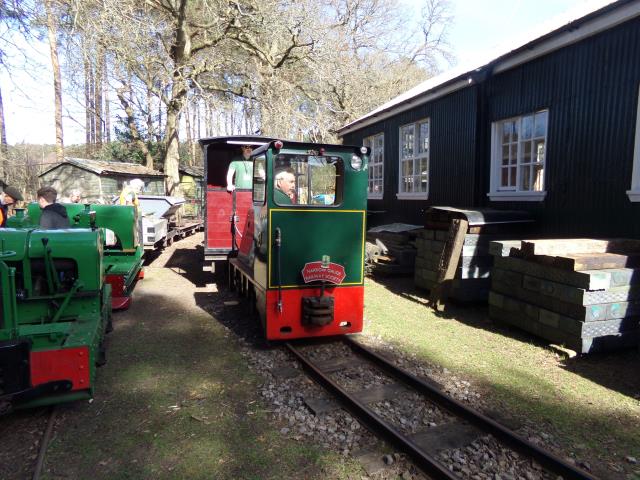
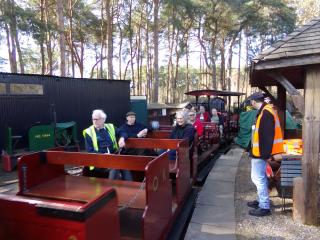
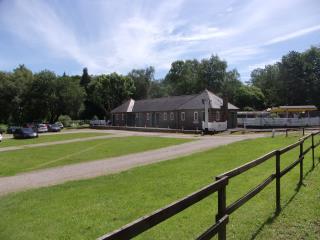
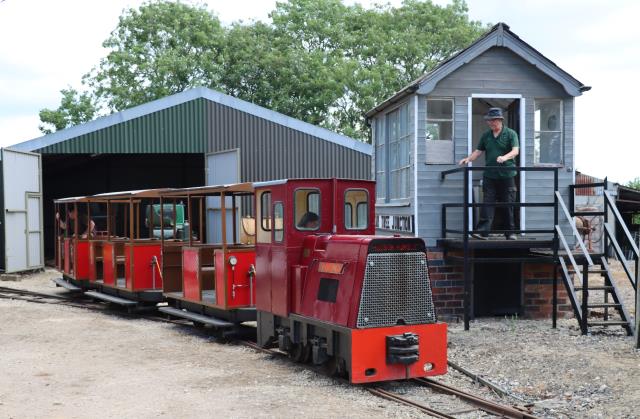
The railway is situated within the Rural Life Living Museum, which is an interesting museum in its own right. It runs for about half a mile, in a “U-shape”, with journeys starting from Mills Wood Station, from where we started our rides on the railway, The station building at Mills Wood is actually a former Portsdown and Horndean tram vehicle, which has been beautifully restored, and which acts as a waiting room. From Mills Wood, we were taken the length of the line, initially using Simplex locomotive MR 8881 for haulage.
There is an intermediate station at Old Kilns Halt (adjacent to the sheds and workshop), and the line terminates at Reeds Road station.
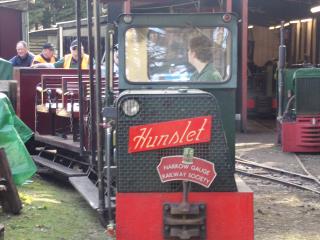
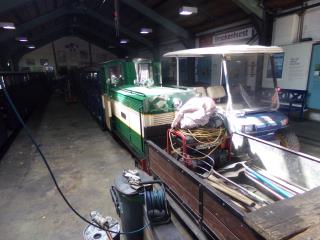
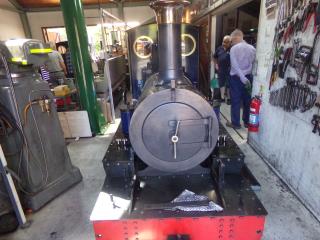
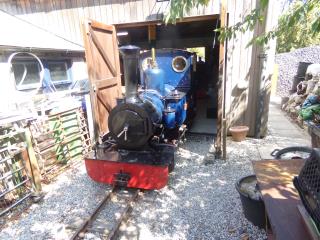
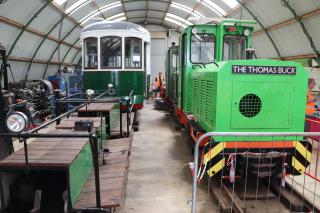
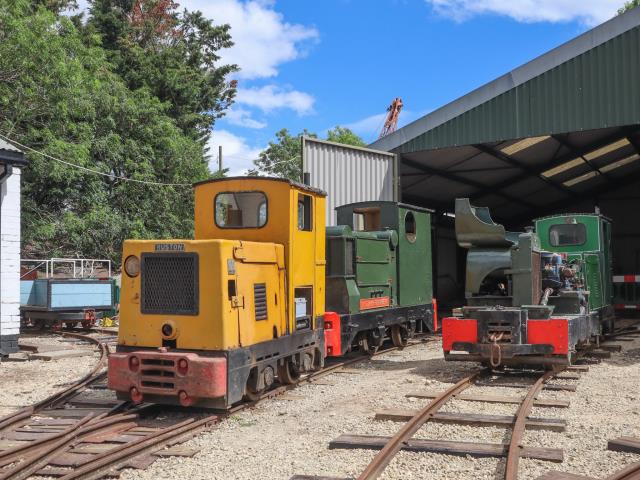
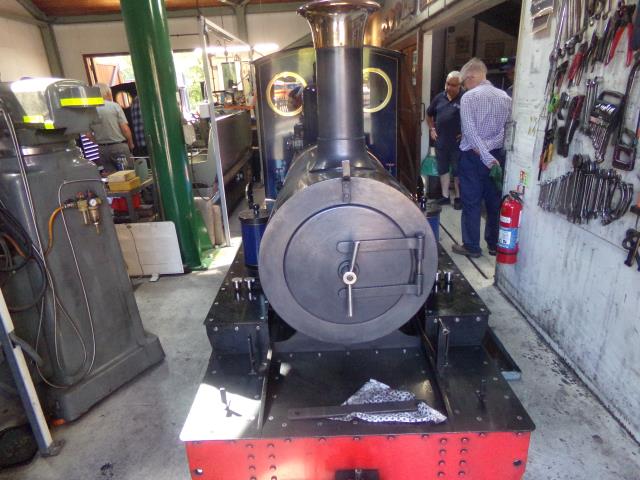
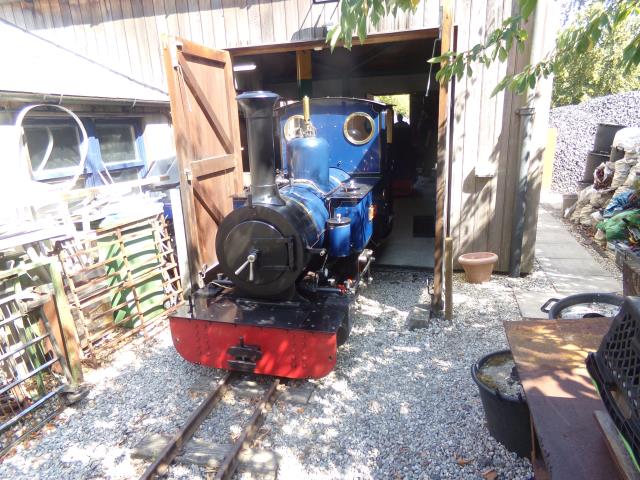
After a few rides along the length of the line, we stopped at Old Kilns Halt, and the party was split into smaller groups for guided tours of the workshops. The railway has 3 steam locomotives, all of which are currently in the workshops. They also have a large collection of internal combustion locomotives, largely Simplex Motor Rails, along with a few Hunslets, a couple of Ruston& Hornsby locos, and a couple of Wickham Trolleys. The steam outline Baguley “ALTONIA” – which once worked at Alton Towers – was also in the workshop.
During the course of the day, members of the party were able to enjoy a selection of locomotives for haulage – one member mentioned having ridden behind 6 different locomotives – and as many rides as they wanted.
With the weather being kind to us, everybody reported having enjoyed their day in the Surrey Hills. The enjoyment wasn’t limited to NGRS members – the volunteers at the railway also had a thoroughly good day, playing trains for their own enjoyment, as well as entertaining our party!
Our thanks to Tim Long for his help in arranging the visit, and to Alex Holt and his team at Old Kilns for a great day.
DISCLAIMER : We make every effort to ensure all the details on our web site are correct and up to date. However we take no responsibility for loss due to inaccuracies on these pages.